Guide
How to Track Your Period and Symptoms With PCOS: What to Log (and What to Skip)
Standard period apps assume a 28-day clock. With PCOS, event-based tracking works better. Here is a simple method for irregular cycles, the symptoms, meals, and habits worth logging, and a 14-day starter routine.
By PCOS Polly ·
Key takeaways
- With PCOS, track events (the first day of each bleed and the gap between them) instead of trusting late or early predictions.
- A 6-12 month record of gap lengths tells a clinician far more than the word irregular.
- Beyond your period, the highest-value things to log are energy, sleep, cravings, movement, and one meal a day.
- If gaps often pass about 90 days, ask your clinician about protecting the uterine lining rather than waiting.
- Two weeks of a short, consistent log beats six months of half-hearted track-everything.
Standard period apps assume a roughly 28-day clock. With PCOS, event-based tracking beats prediction calendars. Mark day 1 every time real bleeding starts, count the gap between bleeds instead of “late” or “early,” and review monthly. Alongside your cycle, log a short list of high-value signals (energy, sleep, cravings, movement, and one meal a day). If gaps often pass about 90 days, ask your clinician about protecting the uterine lining rather than waiting and hoping.
Part 1: tracking an irregular cycle
1. Mark cycle day 1 every time bleeding starts
Flow that needs a pad, tampon, or cup for at least a day counts as a period. Spotting alone gets its own note so it does not reset your count.
2. Count gap length, not “late” or “early”
Log the days between each day 1 (for example 18, 45, 72). A 6-12 month list tells a clinician far more than “irregular.”
3. Add optional layers only when useful
- Flow heaviness and pain (1-5)
- Ovulation clues: mucus, LH tests, BBT, or progesterone tests (see ovulation signs with PCOS)
- Life context: illness, travel, new medication, big stress, poor sleep
4. Review monthly, not daily
Monthly questions: What was the longest gap? How many bleeds? Any 90-day stretch? What did I try?
5. Set a protection rule with your clinician
Long gaps let the uterine lining build up. If gaps often exceed about 90 days, ask about options to bring on a bleed or protect the lining. More in irregular periods and PCOS.
What not to do
- Trust fertile-window predictions from apps built for regular cycles (here is why period apps get PCOS wrong)
- Restart the clock after every spot
- Assume a positive LH test means a period is exactly 14 days away
- Delete old data; the long gaps are the point
Copy-paste template: Date | Day 1? | Spotting? | Flow 1-5 | Mucus | LH test | Temp | Notes
Part 2: what else to track with PCOS
Period dates alone miss most of what people with PCOS actually manage.
Tier 1: track these if you track nothing else
- Bleeding: start and end, spotting, flow notes (even if months apart)
- Energy: low, okay, or good (or 1-5)
- Sleep: hours and a rough quality score
- Cravings and hunger: especially afternoon and evening
- Movement: what you did and for how long, or steps
- One meal anchor: breakfast or lunch, with protein yes/no and a big refined carb yes/no
Tier 2: PCOS symptoms to rotate in
Log only what you personally deal with:
- Acne, oily skin, or cystic flares
- Unwanted facial or body hair, or scalp shedding
- Bloating and digestion
- Mood, anxiety, irritability, brain fog
- Libido changes, pelvic pain, cramps, headaches
- Dark skin patches or skin tags (note monthly changes, not daily)
r/PCOS users often discover chains like poor sleep, then next-day cravings, then a skipped workout, then a worse mood. You only see that when sleep and food sit next to symptoms.
Tier 3: medications, supplements, and labs
- Daily adherence: metformin (and stomach notes), inositol, spironolactone, birth control, GLP-1 medications, thyroid medication, and so on
- Lab numbers when you get them: fasting glucose and insulin, A1c, lipids, androgens, TSH, and cycle-timed progesterone if trying to conceive
An app does not replace the lab, but a timeline next to your symptoms is gold at appointments. See how PCOS is diagnosed for what each test means.
Food tracking that doesn’t make you miserable
- A plate photo with three tags: protein, fiber carb, fun food
- A “naked carb?” checkbox (toast alone vs toast with eggs)
- Post-meal walk yes/no (10-15 minutes is a popular r/PCOS tactic)
- A weekly note: how many meals felt steady vs crashy?
For what to put on the plate, see what to eat for PCOS insulin resistance.
Workout logging that predicts burnout
Record the type (strength, walk, yoga, HIIT), duration, how you felt (good, wiped, wired), and next-day recovery. If HIIT leaves you tired-but-wired for 48 hours, your log will show it faster than gut feeling.
A 14-day starter routine
| When | What to log |
|---|---|
| Morning | Sleep, energy, medications and supplements taken |
| After main meals | A quick note or photo (two meals is enough) |
| When you move | Workout type, minutes, and how it felt |
| Evening | Cravings, mood, any notable skin or hair note |
| Whenever it happens | Bleeding or spotting |
At the end of week two, write three bullets: what helped your energy, what tanked it, and what to keep.
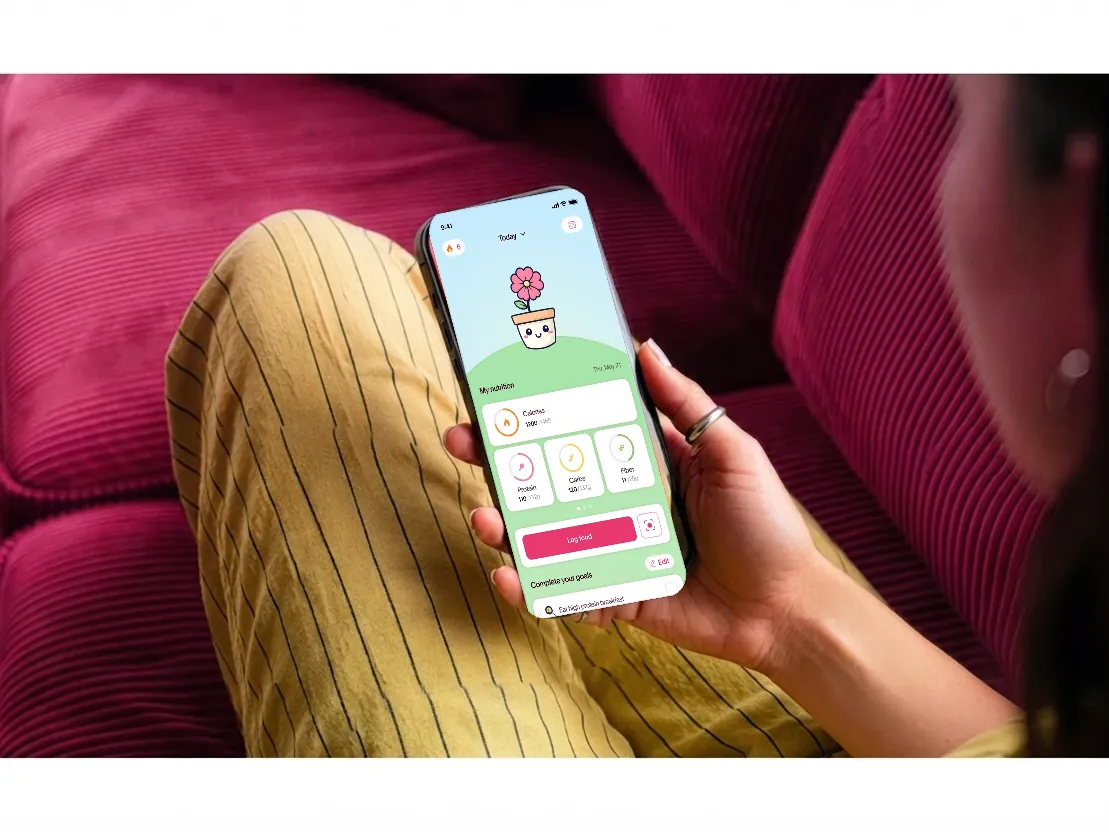
Track it all in PCOS Polly
PCOS Polly is built for messy cycles: log bleeds, gaps, symptoms, meals, workouts, and habits in one timeline without fake regularity, then review it monthly or share it at appointments. Get the app, or browse more guides on the PCOS Polly blog.
Sources
- Teede HJ et al. 2023 International Evidence-based Guideline for the Assessment and Management of PCOS.
- Cleveland Clinic. PCOS diet.
- Mayo Clinic. PCOS: diagnosis and treatment.
This article is for general wellness information and is not medical advice.
Frequently asked questions
How do I track my period if it is irregular? +
Mark cycle day 1 every time real bleeding starts, note spotting separately, and record the number of days between each cycle day 1. Over six to twelve months, that list of gap lengths shows your actual pattern and is what clinicians find most useful.
What should I track in a PCOS app besides my period? +
Start with energy, sleep, cravings or hunger, movement, and one meal a day. Then add the PCOS symptoms you personally deal with, such as acne, hair changes, bloating, or mood, plus medications, supplements, and lab results when you get them.
Does spotting count as a period with PCOS? +
For tracking purposes, a period is usually bleeding that needs a pad, tampon, or cup for at least a day. Log spotting separately so it does not reset your cycle count and make your cycles look shorter than they are.
How often should I review my PCOS tracking data? +
Monthly is enough for most people. Look at your longest gap, the number of bleeds, any 90-day stretch without a period, and what you tried. Daily checking tends to raise anxiety without adding insight.
Should I count calories to manage PCOS? +
You do not have to. Simpler methods stick better for many people: a plate photo with three tags (protein, fiber carb, fun food), a checkbox for whether carbs were eaten on their own, and whether you walked after the meal.
Keep reading
All articles →-
 Guide
GuideIrregular Periods and PCOS: Causes, Treatment Options, and When to Worry
With PCOS, cycles shorter than 21 days, longer than 35 days, or fewer than 8 periods a year are common. Here is why it happens, the treatment options clinicians discuss, and when an irregular period needs prompt care.
Read article -
 Guide
GuidePost-Pill PCOS: What Happens When You Stop Birth Control With PCOS
The pill often masks PCOS rather than treating it. Here is what commonly returns after you stop, realistic timelines for periods coming back, which labs to get, and how to prepare.
Read article -
 Guide
GuideGetting Pregnant With PCOS: How to Track Ovulation and Improve Your Odds
Many people with PCOS do conceive. Here is how to time sex around real fertility signs, read OPKs, mucus, and BBT with irregular cycles, confirm ovulation, and know when to ask for medical help.
Read article