Guide
Lean PCOS: Can You Have PCOS If You're Thin?
Yes, you can have PCOS at a normal or low BMI. Lean PCOS is a descriptive label, not a separate disease. Here is how it is diagnosed, how it can feel different, which labs still matter, and what tends to help.
By PCOS Polly ·

Key takeaways
- You can have PCOS at a normal or low BMI; 'lean PCOS' (roughly BMI 25 or below) is a descriptive label, not a separate disease.
- Diagnosis uses the same 2-of-3 criteria, with careful exclusion of look-alikes such as thyroid problems, high prolactin, and nonclassic CAH.
- Insulin resistance can still be present without obesity, so metabolic screening still applies.
- Weight loss is not the first-line goal; the focus is muscle, steady meals, and metabolic health.
- Internet 'PCOS types' such as adrenal or inflammatory PCOS are not clinical categories.
Yes, you can have PCOS at a normal or low BMI. “Lean PCOS” (roughly BMI 25 or below) is a descriptive label, not a separate disease. Diagnosis uses the same criteria (2 of 3: irregular ovulation, clinical or lab signs of high androgens, polycystic-looking ovaries or high AMH) after ruling out look-alikes. Insulin resistance can still be present without obesity; metabolic risk is often milder than in higher-weight PCOS, but it is not zero.
Don’t wait for weight gain to take symptoms seriously
Irregular cycles, acne, unwanted hair, scalp shedding, or fertility struggles count at any size. Many people in r/PCOS were told they “couldn’t have PCOS” because they were thin. That is outdated. The full criteria are in how PCOS is diagnosed, and what is PCOS covers the basics.
Same diagnostic bar, careful exclusion
Before diagnosing PCOS, clinicians typically check thyroid function (TSH) and prolactin. Especially in lean people with strong androgen symptoms, they may screen for nonclassic congenital adrenal hyperplasia (17-OHP), and consider rarer causes if testosterone is very high or symptoms start suddenly.
How lean PCOS can feel different
| Lean PCOS | Higher-weight PCOS | |
|---|---|---|
| Irregular periods and androgen symptoms | Common | Common |
| Insulin resistance | Often present, usually milder | More common and often more pronounced |
| Type 2 diabetes and metabolic syndrome | Less common, but still above average | More common |
| First-line focus | Muscle, steady meals, cycles, symptoms | Lifestyle changes; modest weight loss can help some people |
| Being believed | Often dismissed (“you don’t look like you have PCOS”) | Often told to “just lose weight” |
What tends to help lean PCOS
- Strength training and protein-adequate, blood-sugar-steady meals: vegetables, fiber, and enough carbohydrate for your activity level, not automatic keto. Try our PCOS workout plan and see the PCOS insulin resistance diet.
- Eating enough: under-eating and over-exercising can disrupt cycles further.
- Myo-inositol: studied at around 2-4 g a day in lean cohorts (see inositol for PCOS).
- Metformin: some studies show lean patients respond well for cycles and ovulation when insulin resistance is present.
- Combined pill or spironolactone: when acne or unwanted hair is the main burden (see spironolactone for PCOS).
- Letrozole: the guideline-preferred first medication when pregnancy is the goal and ovulation is missing.
Labs worth asking about even at a “healthy weight”
- Fasting glucose and insulin, or an oral glucose tolerance test
- A lipid panel
- Androgens (total and free testosterone, DHEAS)
- Cycle tracking to see whether you ovulate
PCOS guidelines recommend metabolic screening regardless of BMI. More in PCOS and insulin resistance.
Skip the false splits
Internet “adrenal vs lean vs inflammatory PCOS types” are marketing categories. Clinically, you manage the features you have (androgen excess, irregular ovulation, insulin resistance), not a quiz result.
What to track
Cycle length and ovulation signs, androgen symptoms, workouts, meals and energy, and any medications or supplements. For lean PCOS, the goal is spotting patterns such as stress, under-eating, or poor sleep that disrupt cycles, without a weight-loss dashboard. PCOS Polly lets you log all of it in one place.
Sources
- Toosy S, Sodi R, Pappachan JM. Lean polycystic ovary syndrome (PCOS): an evidence-based practical approach. Journal of Diabetes and Metabolic Disorders, 2018.
- Teede HJ et al. 2023 International Evidence-based Guideline for the Assessment and Management of PCOS.
- Legro RS et al. Diagnosis and treatment of polycystic ovary syndrome: an Endocrine Society clinical practice guideline.
This article is for general information and is not medical advice.
Frequently asked questions
Can you have PCOS if you are thin? +
Yes. PCOS is diagnosed by irregular ovulation, signs of high androgens, and ovary appearance or AMH, not by weight. Many people with a normal or low BMI have PCOS, and being told you are too thin to have it is outdated advice.
Is lean PCOS a different condition? +
No. Lean PCOS is a descriptive label for PCOS in people with a BMI of roughly 25 or below. It uses the same diagnostic criteria and the same treatment toolkit, though weight loss is not part of the plan.
What should I eat with lean PCOS? +
The same steady-blood-sugar pattern helps: protein at each meal, plenty of fiber, healthy fats, and enough carbohydrate for your activity level. The difference is that the goal is usually maintaining weight and building muscle, so under-eating and very low-carb diets can backfire.
Does inositol work for lean PCOS? +
Myo-inositol has been studied in lean cohorts at around 2-4 g a day, and some studies report improvements in cycles and insulin markers. Results vary; check with your clinician before starting any supplement.
Are adrenal PCOS and inflammatory PCOS real types? +
They are not recognized clinical categories. Clinicians manage the features you actually have, such as androgen excess, irregular ovulation, and insulin resistance, rather than an online quiz result. High adrenal androgens are worth testing for, but they do not define a separate PCOS type.
Keep reading
All articles →-
 Guide
GuideInositol for PCOS: What It Does, How Much Studies Use, and How Long It Takes
Myo-inositol is one of the most-studied supplements for PCOS. Here is what myo and D-chiro inositol do, the doses clinical trials have used (most often 4 g a day), realistic timelines, and how to choose a product.
Read article -
 Guide
GuidePCOS and Insulin Resistance: Signs, Causes, Tests, and How to Manage It
Insulin resistance affects an estimated 50-70% of people with PCOS, including many who are lean. Learn the signs, how it drives androgens and irregular cycles, which tests to ask for, and the habits that help most.
Read article -
 Guide
Guide7-Day PCOS Meal Plan: Simple Breakfasts, Lunches, Dinners, and Shopping List
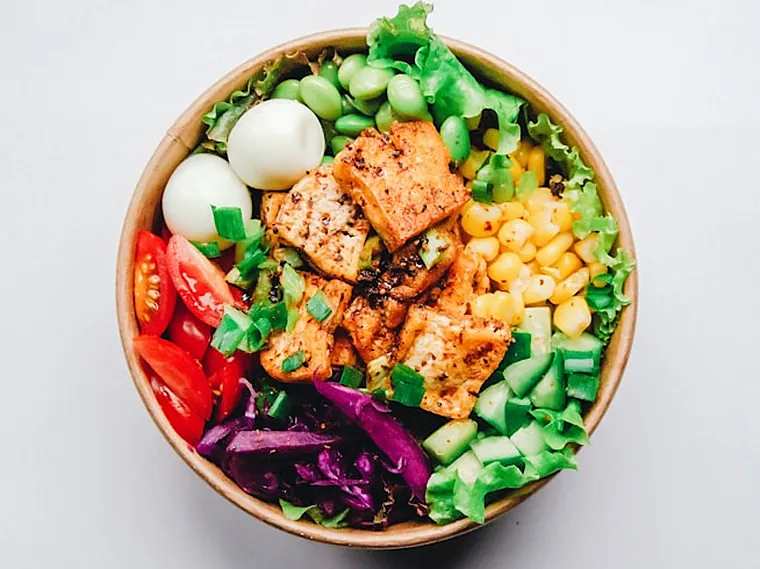
A full 7-day PCOS-friendly meal plan built on protein, fiber, and fat at every meal, with paired carbs, planned leftovers, a core shopping list, and swaps for vegetarian, dairy-free, and budget needs.
Read article